


The Journey of a Chevrolet: From Factory Floor to Your Driveway
 Every Chevrolet has a story that begins long before it reaches a dealership lot. From the first stages of engineering and design to the final quality checks at the factory, building a Chevrolet involves thousands of decisions, skilled workers, and advanced manufacturing technology. By the time a new Chevy reaches your driveway, it has passed through a complex process designed to deliver the performance, comfort, safety, and reliability drivers expect.
Whether you are shopping for a new Chevrolet Silverado, Equinox, Traverse, or Corvette, understanding how a vehicle goes from an idea to a finished product can give you a new appreciation for the car or truck you drive every day.
Here is a closer look at the journey of a Chevrolet, from the factory floor to your driveway.
Step 1: Designing the Next Chevrolet
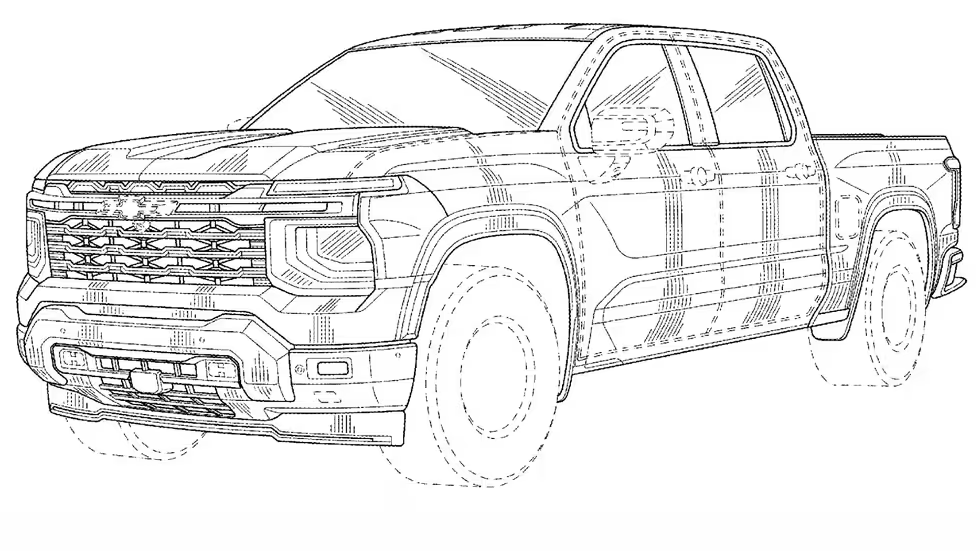 Before production begins, Chevrolet engineers and designers spend years developing ideas for future vehicles. The process starts with understanding what drivers need, how they use their vehicles, and what improvements could make their daily drives better.
For some models, the focus may be on towing capability, cargo space, and durability. For others, the priority might be fuel efficiency, passenger comfort, advanced technology, or performance.
Consider the Chevrolet Silverado. Truck owners often need a vehicle that can handle demanding jobs, tow equipment, and provide a comfortable interior for everyday driving. Engineers must account for these different demands when developing the truck’s frame, powertrain, suspension, and available features.
An SUV such as the Chevrolet Equinox requires a different approach. Its development involves considerations such as passenger space, maneuverability, cargo capacity, and driver-assistance technology.
Designers also work on the appearance of each model, from its exterior proportions and lighting to its interior layout and materials. These decisions help establish the personality of each Chevrolet while keeping practical needs in mind.
Computer-aided design and engineering tools allow teams to evaluate vehicle components before physical production begins. Engineers can study how parts fit together, analyze performance, and identify potential problems early in development.
The goal is to create a vehicle that meets its intended purpose while satisfying Chevrolet’s engineering and manufacturing requirements.
Step 2: Testing Before Production
A vehicle may look impressive on a computer screen, but it must prove itself in the real world before reaching customers.
Testing plays an important role in vehicle development. Engineers evaluate prototypes under a range of conditions to study handling, braking, durability, powertrain performance, and other important characteristics.
Depending on the vehicle and its intended use, testing may involve extreme temperatures, rough roads, high-speed driving, repeated braking, and challenging terrain.
For Chevrolet trucks and SUVs, durability testing is particularly important. A Silverado intended for demanding work needs to withstand the stresses associated with hauling, towing, and frequent use. Engineers evaluate components to help identify weaknesses before a vehicle enters regular production.
Safety systems also undergo extensive development and testing. Engineers assess vehicle structures, restraint systems, airbags, and available driver-assistance features to evaluate their performance under specified conditions.
Testing does not end with one successful drive. Development teams gather data, review results, make adjustments, and repeat evaluations as needed.
This process helps Chevrolet refine its vehicles before manufacturing begins at scale. It also allows engineers to identify areas where changes could improve the finished product.
Step 3: Building a Chevrolet on the Factory Floor
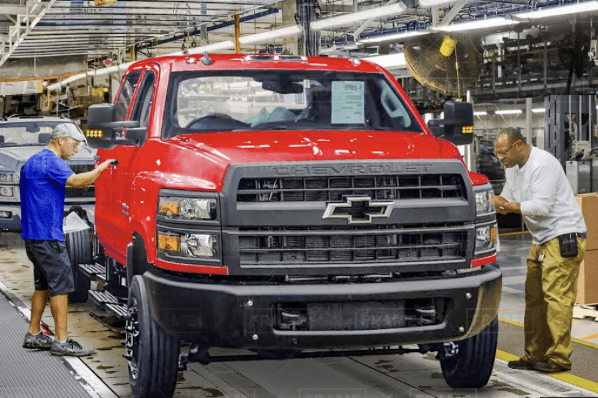
Once a vehicle’s design and engineering development are complete, manufacturing brings the plans to life.
Chevrolet vehicles are produced at various General Motors manufacturing facilities, with the specific factory depending on the model. Although manufacturing processes differ by vehicle and plant, several major stages are involved in building a modern automobile.
Stamping and Body Construction
The manufacturing process often begins with sheet metal that is shaped into body panels using large industrial presses. These panels form components such as doors, hoods, roofs, and fenders.
Robotic equipment and skilled manufacturing employees help assemble the body structure, joining individual components into a complete vehicle body.
Precision matters at this stage. Panels must align correctly, structural components must meet engineering specifications, and the body must be prepared for the next stages of production.
Automated systems can help perform repetitive tasks consistently, while employees monitor equipment, inspect components, and address issues as they arise.
Painting and Finishing
After the body structure is assembled, it moves through surface preparation and painting processes.
The metal must be properly treated before coatings are applied. Protective treatments and paint systems help guard against corrosion while giving the vehicle its finished exterior appearance.
The painting process typically involves multiple layers, including primer, color, and protective clearcoat. Each layer serves a purpose, from helping the paint adhere to the surface to protect the finish against everyday exposure.
Paint quality is carefully monitored for consistency, coverage, and appearance.
This stage is also where the familiar Chevrolet colors begin to take shape, whether the finished vehicle is a classic black Silverado, a white Equinox, or a brightly colored Corvette.
Installing the Powertrain and Mechanical Components
A vehicle’s engine, transmission, suspension, steering system, and braking components must all work together. During assembly, these systems are installed according to the vehicle’s specific design.
The exact powertrain depends on the Chevrolet model and configuration. A Silverado HD, for example, has different powertrain requirements from a compact SUV or a Corvette sports car.
Assembly teams install the appropriate components and connect the systems needed for the vehicle to operate. Electrical wiring, cooling systems, fuel systems, and other mechanical components are also integrated during production.
Modern vehicles contain extensive electronic systems, so this stage involves more than installing mechanical parts. Sensors, control modules, displays, and other electronic components must communicate correctly with one another.
Completing the Interior
As assembly continues, the vehicle receives the interior components drivers interact with every day.
Seats, carpeting, dashboard assemblies, door panels, steering wheels, and infotainment systems are installed. Depending on the model and trim level, the interior may also include heated or ventilated seats, wireless smartphone connectivity, premium audio equipment, and other available amenities.
Careful assembly is important because small details affect the overall driving experience. Controls must be positioned correctly, displays must function as intended, and interior components must fit together properly.
By the end of this stage, the vehicle begins to look and feel like the Chevrolet customers recognize.
Step 4: Quality Checks Before Leaving the Factory
A Chevrolet is not ready to leave the factory simply because it has been assembled. It must also go through inspections and testing intended to identify manufacturing defects and confirm that key systems are operating correctly.
Quality-control procedures vary by facility and model, but they can include visual inspections, electronic diagnostics, equipment checks, and evaluations of vehicle functions.
Employees and automated systems may check panel alignment, paint finish, interior fit, warning lights, and the operation of various vehicle systems.
Depending on the manufacturing process, vehicles may also undergo tests involving braking, steering, lighting, fluid systems, and other critical components.
If a problem is identified, it can be investigated and addressed before the vehicle moves further along the production process.
These checks are important because modern vehicles combine thousands of individual parts and increasingly sophisticated technology. A properly assembled vehicle depends on those parts working together as intended.
Quality inspections help manufacturers maintain consistent production standards and reduce the likelihood of defects reaching customers.
Step 5: Transporting the Chevrolet to a Dealership
Once a Chevrolet completes the required manufacturing and inspection processes, its journey continues beyond the factory.
New vehicles are transported to distribution facilities or directly through established vehicle logistics networks, depending on the manufacturer’s arrangements. From there, they make their way to dealerships across the country.
Transportation methods may include specialized vehicle-hauling trucks and rail transport. The route depends on where the vehicle was manufactured and where it needs to be delivered.
Getting a vehicle from a factory to a dealership involves coordination among manufacturers, transportation companies, distribution centers, and dealership personnel.
Timing can vary based on distance, transportation capacity, weather, logistics, and vehicle availability. That is one reason two vehicles ordered around the same time may arrive at their destinations on different dates.
For drivers in Northern Indiana, this stage connects Chevrolet manufacturing operations with local dealerships that help customers find their next vehicle.
The arrival of a new Silverado, Traverse, Trax, or another Chevrolet model marks the final stretch of a journey that began months or years earlier during design and development.
Step 6: Preparing the Vehicle for Its New Owner
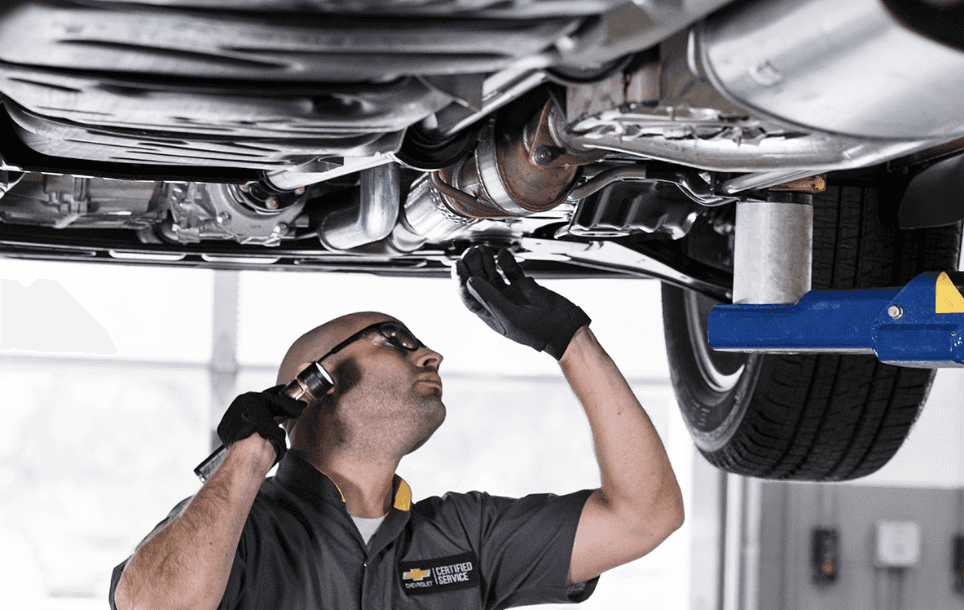 When a new Chevrolet arrives at a dealership, there is still work to do before it is ready for a customer.
Dealership employees typically complete a pre-delivery inspection and prepare the vehicle for sale. The exact checklist varies, but it may include checking fluid levels, inspecting tires, verifying that important features operate correctly, and confirming that the vehicle is ready for delivery.
The exterior and interior may also receive a thorough cleaning to remove dust and residue accumulated during transportation and storage.
Dealership personnel review the vehicle’s equipment, confirm its configuration, and address any items requiring attention before it is handed over to the new owner.
This is also where customers can get help comparing trims, reviewing available features, and understanding the differences between models.
For example, someone shopping for a Chevrolet Traverse may want to compare passenger accommodations, cargo space, technology, and available all-wheel drive. A Silverado shopper might focus on cab configuration, bed length, engine options, towing requirements, and available trailering equipment.
A dealership can help shoppers determine which combination best suits their needs.
At Axius Chevrolet, customers can explore available Chevrolet models and speak with the team about finding a vehicle that fits their lifestyle, whether they need a dependable daily driver, a family-friendly SUV, or a capable pickup truck.
Step 7: From the Dealership to Your Driveway
The final stage of a Chevrolet’s journey is the moment it becomes yours.
After selecting a vehicle and completing the purchase process, you can get familiar with its features, adjust the seating position, connect your smartphone, and prepare for your first drive.
Taking time to review the owner’s manual and learn about the vehicle’s controls can make the transition easier. Depending on your model, you may want to explore the infotainment system, available driver-assistance features, remote-start functionality, or the myChevrolet mobile app.
The app offers compatible features and services that can vary by vehicle, model year, equipment, and subscription status. Depending on eligibility, these may include remote commands, vehicle information, maintenance reminders, and other connected services.
It is also worth reviewing the recommended maintenance schedule from the beginning. Following the manufacturer’s guidance for oil changes, tire rotations, inspections, and other routine services can help you maintain your Chevrolet over time.
A new vehicle represents a significant purchase, and knowing how to care for it can help you get more out of your investment.
The first drive home may feel like the end of the journey, but it is really the beginning of your ownership experience. From daily commutes and weekend errands to road trips and family adventures, your Chevrolet will become part of the routines and experiences that matter to you.
Find Your Next Chevrolet at Axius Chevrolet
From the first design sketches to the final dealership inspection, a Chevrolet passes through many stages before it reaches the road. Engineers develop the vehicle, manufacturing teams bring it to life, quality specialists check its systems, and transportation networks deliver it to dealerships where customers can explore their options.
Once you get behind the wheel, that work becomes part of your everyday driving experience.
If you are ready to find a Chevrolet of your own, Axius Chevrolet can help you explore the available lineup and compare vehicles based on your needs and budget. Whether you are interested in a Chevrolet Silverado, Equinox, Traverse, Trax, Tahoe, or Corvette, the right place to start is with a closer look at your options.
Visit Axius Chevrolet to browse available inventory, learn more about current offers, and schedule a test drive. Your next Chevrolet has a story behind it. The next chapter can begin in your driveway.

0 comment(s) so far on The Journey of a Chevrolet: From Factory Floor to Your Driveway