


How to Prepare Your Chevrolet for Fall: Essential Service and Maintenance Tips
Fall brings cooler temperatures, changing road conditions, and shorter days. For Chevrolet drivers, it is also a good time to take care of routine maintenance before winter weather arrives. A little preparation now can help your vehicle handle cold mornings, wet roads, and changing temperatures throughout the season.
Whether you drive a Chevrolet Silverado, Equinox, Traverse, Tahoe, Suburban, Trailblazer, Blazer, or another Chevy model, fall is a smart time to check the parts of your vehicle that see the most stress during changing weather.
Here are some of the most important Chevrolet service and maintenance items to put on your fall checklist.
Check Your Chevrolet Tires
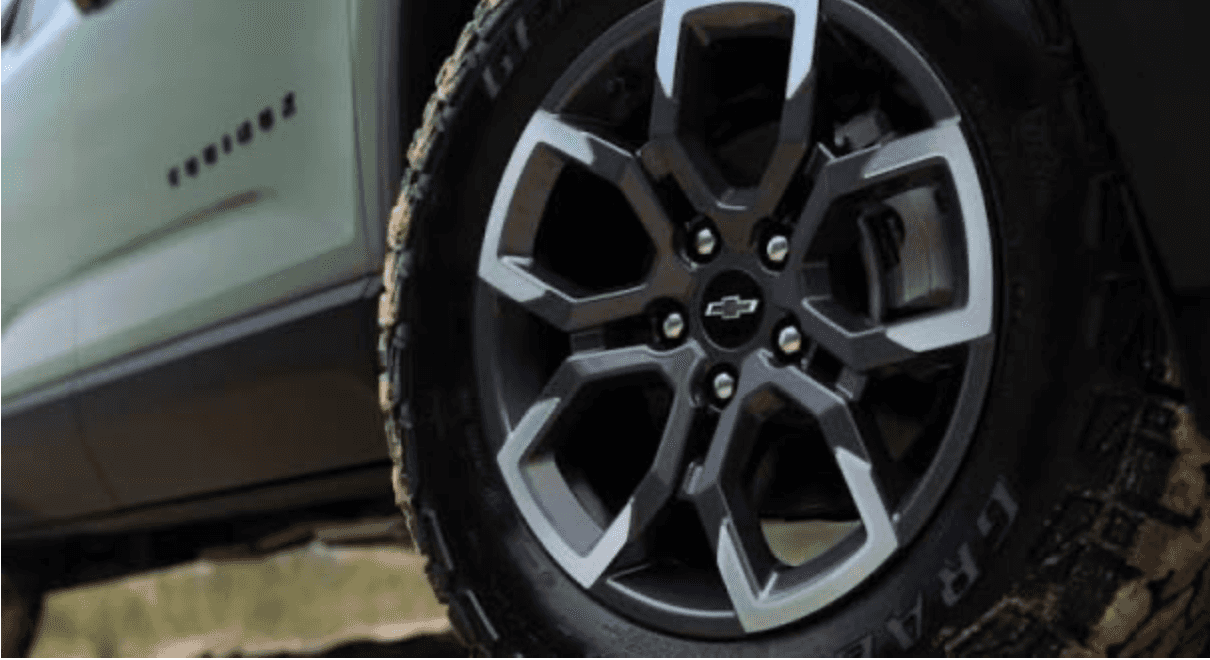
Your tires are one of the most important parts of your vehicle when road conditions start to change. Cooler temperatures can cause tire pressure to drop, so it is worth checking your tire pressure as temperatures begin to fall.
Driving with incorrect tire pressure can affect handling, fuel economy, and tire wear. Your Chevrolet’s recommended tire pressure can be found on the vehicle information label, typically located inside the driver’s door area.
While checking the pressure, take a look at the condition of the tires themselves. Look for uneven tread wear, cracks, punctures, or other visible damage. Make sure the tread depth is still adequate for wet roads.
If your Chevrolet is equipped with an AWD or 4WD system, keeping the tires properly inflated and in good condition is especially important. The tires need to maintain consistent traction to help the system work as intended.
Have Your Battery Tested
A battery that starts your Chevrolet without a problem in warm weather can have a harder time once temperatures drop. Fall is a good time to have your battery tested, especially if it is several years old.
Battery performance can decline over time, and colder temperatures can make it more difficult for a weak battery to provide the power needed to start your vehicle.
During a Chevrolet service appointment, a technician can check the battery’s condition and charging system. They can also inspect the battery terminals and connections for corrosion or other problems.
Taking care of a weak battery before winter arrives is much easier than discovering the problem on a freezing morning when you are trying to get to work.
 Check Your Brakes Before Wet and Slippery Roads Arrive
Brakes deserve attention year-round, but fall is an especially good time to make sure they are ready for changing road conditions.
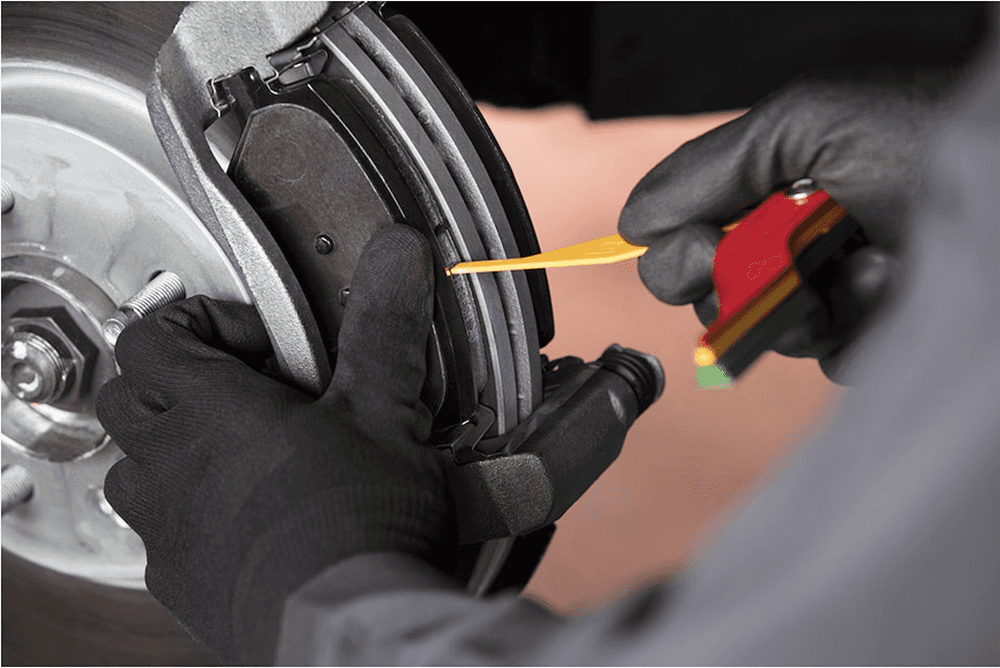
Listen for unusual sounds when braking, including squealing or grinding. Pay attention if your Chevrolet pulls to one side when you brake or if the brake pedal feels different than it normally does.
A Chevrolet service technician can inspect the brake pads, rotors, calipers, and other components to determine whether anything needs attention.
If you regularly drive during early mornings or evenings, when temperatures can drop quickly and roads can become damp, having dependable brakes is even more important.
Replace Worn Wiper Blades
Summer heat and sunlight can take a toll on windshield wiper blades. By the time fall arrives, your wipers may leave streaks, skip across the glass, or struggle to clear water from the windshield.
That becomes a bigger issue when fall rain, leaves, and road spray reduce visibility.
Replacing worn wiper blades is a relatively simple maintenance item, but it can make a noticeable difference when driving through heavy rain. While checking your wipers, make sure your windshield washer fluid is topped off as well.
Consider keeping an extra bottle of washer fluid at home so you are prepared when the reservoir gets low.
Inspect Your Lights
Shorter fall days mean you will probably spend more time driving in the dark. That makes properly functioning exterior lights especially important.
Check your Chevrolet’s headlights, brake lights, turn signals, parking lights, and hazard lights. If a bulb is dim or not working, have it replaced.
Modern Chevrolet vehicles may also have advanced lighting systems that automatically adjust to driving conditions. If you notice an issue with your vehicle’s lighting system, a Chevrolet service department can help diagnose the problem.
Clean headlights can also improve visibility. Dirt, road film, and other buildup can reduce how much light reaches the road.
Check Your Fluids
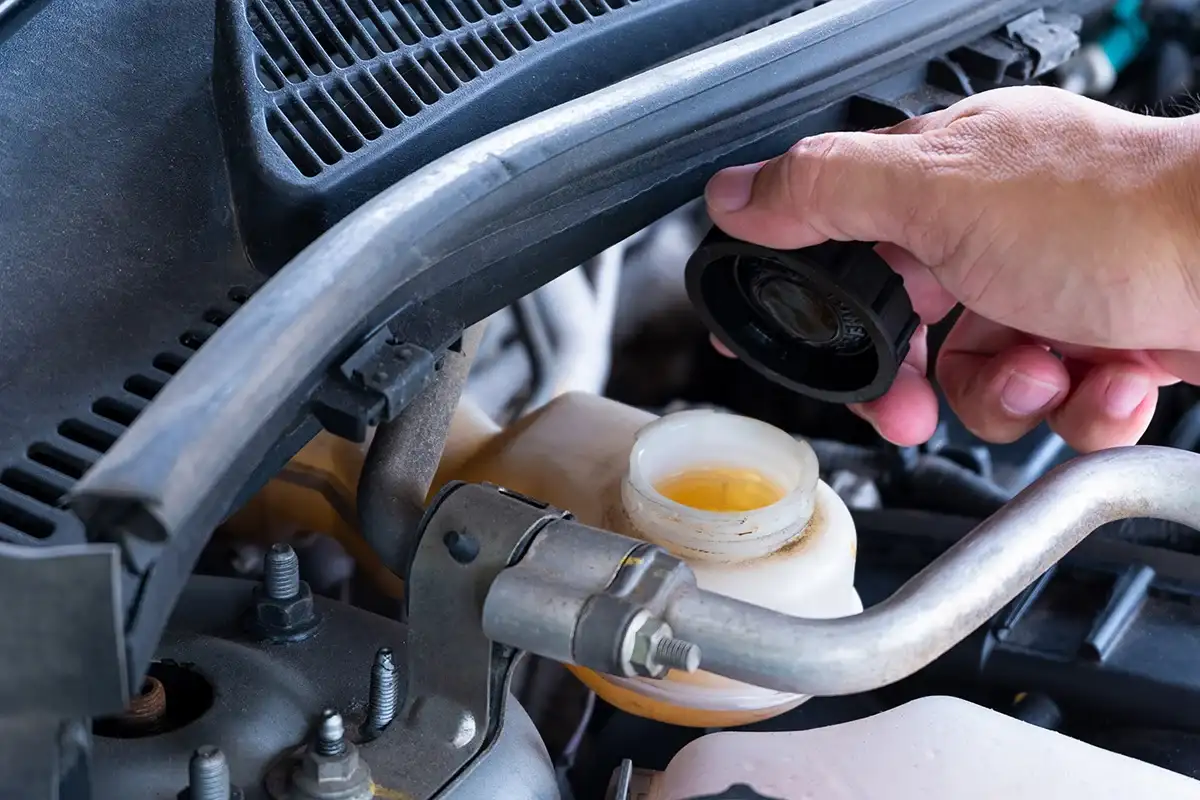
Fall is a good time to check the fluids under the hood of your Chevrolet. Engine oil, coolant, brake fluid, transmission fluid, and windshield washer fluid all play important roles in keeping your vehicle running properly.
Engine oil is particularly important as temperatures begin to change. Follow the maintenance schedule recommended for your specific Chevrolet model and engine.
Coolant deserves attention as well. Your cooling system helps regulate engine temperature throughout the year, including during cold weather. A technician can check the coolant level and inspect the system for leaks or other concerns.
If you are unsure when your Chevrolet is due for its next oil change or other fluid service, your owner’s manual and Chevrolet service records can help.
Schedule an Oil Change if You Are Due
Fall can be a busy season, especially with school schedules, work, football games, and holiday travel approaching. It can be easy to put routine maintenance on the back burner.
If your Chevrolet is approaching its recommended oil change interval, fall is a convenient time to get it done.
Regular oil changes help keep the engine properly lubricated and allow technicians to spot potential issues during routine service. Depending on your Chevrolet model, engine, and driving habits, your recommended oil change interval may vary.
Keeping up with your maintenance schedule can also help your vehicle perform consistently as temperatures change.
Check Your HVAC and Defroster
Your Chevrolet’s climate control system does more than keep the cabin comfortable. Your heater and defroster are important safety features when temperatures fall.
Test your heater and make sure warm air is coming from the vents. Check that the front and rear defrosters are working properly if your vehicle is equipped with them.
Your air conditioning system also plays a role in clearing condensation from the windshield, so it should be working properly even though you may not be using it as often during the cooler months.
If you notice unusual smells, weak airflow, or inconsistent temperatures, have the system inspected.
Inspect Your Cabin Air Filter
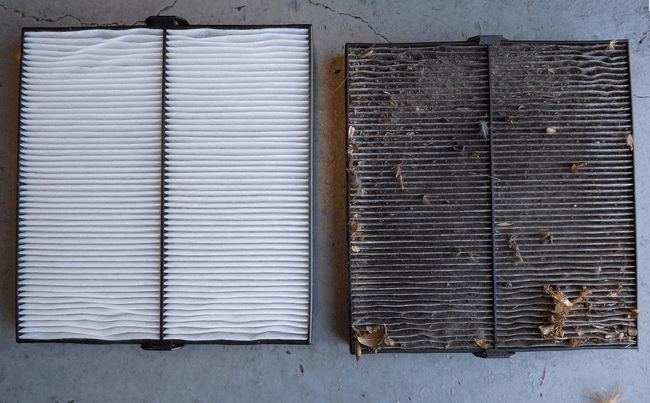
The cabin air filter helps keep dust, pollen, dirt, and other particles from entering your Chevrolet’s interior through the HVAC system.
A clogged or dirty filter can restrict airflow and may cause your climate control system to work harder. If you notice reduced airflow from the vents or an increase in dust inside the cabin, your cabin air filter may need attention.
Fall is also a good time to check this filter because leaves and other debris can accumulate around the areas where outside air enters the vehicle.
Check Your Chevrolet’s Alignment and Suspension
Potholes, rough roads, and everyday driving can gradually affect your vehicle’s suspension and alignment.
If your Chevrolet pulls to one side, the steering wheel is off-center while driving straight, or you notice unusual tire wear, it may be time for an alignment inspection.
Suspension components should also be checked if you notice excessive bouncing, unusual noises, or changes in the way your vehicle handles.
Taking care of these issues before winter can help your Chevrolet maintain predictable handling when roads become wet, icy, or snowy.
Do Not Forget About Your Emergency Kit
Routine Chevrolet service is important, but it is also smart to keep a few emergency items in your vehicle as fall turns into winter.
Consider keeping the following items in your Chevrolet:
- Flashlight
- Jumper cables or a portable jump starter
- Phone charging cable
- First-aid kit
- Blanket
- Bottled water
- Basic tools
- Tire pressure gauge
- Ice scraper
- Extra washer fluid
If you frequently travel long distances or drive in rural areas, you may want to add additional supplies based on your driving conditions.
Follow Your Chevrolet Maintenance Schedule
One of the easiest ways to stay ahead of vehicle maintenance is to follow the service schedule for your specific Chevrolet.
Different models have different maintenance requirements based on their engine, drivetrain, mileage, and equipment. A Chevrolet Silverado used for towing, for example, may have different service needs than a Chevrolet Equinox primarily used for commuting.
Your owner’s manual provides the recommended maintenance intervals for your vehicle. Keeping track of your mileage and service history can also make it easier to know when your next appointment is due.
Get Your Chevrolet Ready for Fall
Fall is a great time to give your Chevrolet some attention before colder temperatures and winter driving arrive. Checking your tires, brakes, battery, fluids, lights, wipers, HVAC system, and other key components can help you catch small problems before they become bigger ones.
If your Chevrolet is due for an oil change, tire service, brake inspection, battery test, or other maintenance, schedule an appointment with your local Chevrolet service department.
Taking care of your vehicle now means one less thing to worry about when the first cold morning arrives. Whether you drive a Silverado for work, an Equinox for your daily commute, or a Tahoe for the family, proper fall maintenance can help keep your Chevrolet ready for the road.

0 comment(s) so far on How to Prepare Your Chevrolet for Fall: Essential Service and Maintenance Tips