


How Long Should Tires Last
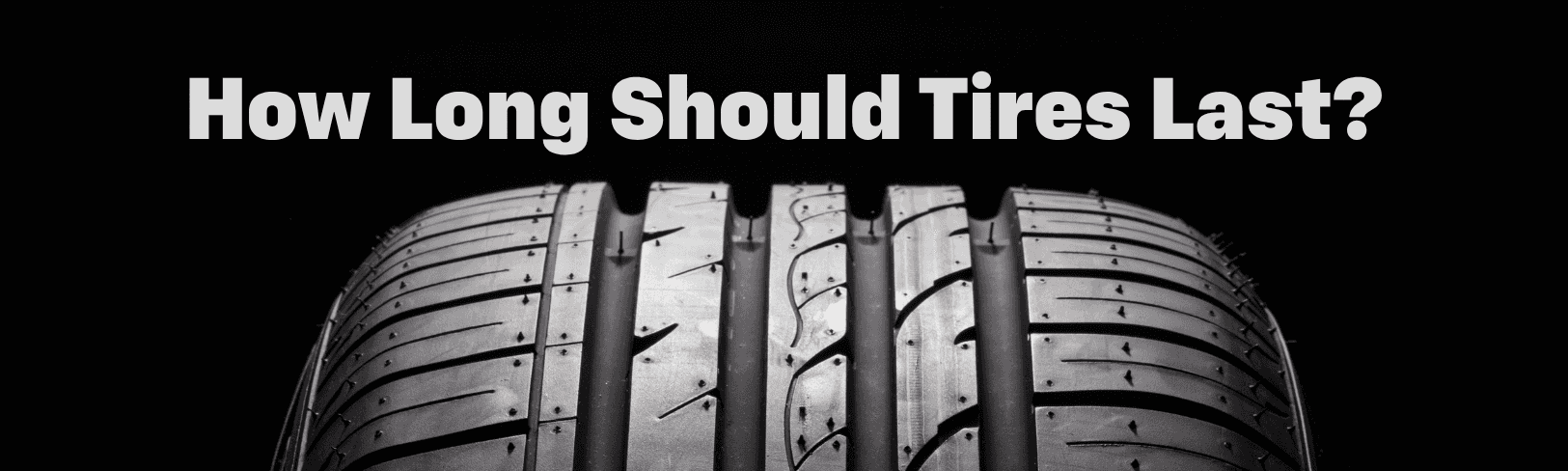
Your tires are one of the most important safety features on your vehicle. They are the only part of your Chevrolet that makes direct contact with the road, which means they affect everything from braking and handling to fuel economy and ride comfort. Whether you drive a Chevrolet Silverado 1500, Equinox, Traverse, Tahoe, or Malibu, understanding how long your tires should last can help you stay safe, save money, and avoid unexpected repairs.
Many drivers ask the same question: how long should tires last? The answer depends on several factors, including tire quality, driving habits, road conditions, maintenance, and the type of vehicle you drive. While there is no universal mileage that applies to every tire, knowing what to expect makes it easier to plan for replacements before worn tires become a safety concern.
If you are searching for tire service, tire replacement, or tire inspections in your area, this guide explains everything you need to know.
How Many Miles Do Tires Typically Last?
Most passenger vehicle tires are designed to last between 40,000 and 70,000 miles. Some premium touring tires may exceed that range with proper care, while high performance tires may wear out sooner because they prioritize grip over longevity.
Here is a general guideline:
- Standard all season tires: 50,000 to 70,000 miles
- Performance tires: 30,000 to 50,000 miles
- Truck and SUV tires: 50,000 to 70,000 miles depending on usage
- Off road tires: 40,000 to 60,000 miles depending on terrain
Drivers who regularly tow trailers, haul heavy cargo, or drive on gravel roads may experience faster tire wear. For many Chevrolet owners in northern Indiana, changing seasons, rough pavement, potholes, and winter weather also play a role in tire life.
Tire Age Matters Too
Mileage is only part of the equation. Even if your tires still have usable tread, rubber naturally deteriorates over time.
Many tire manufacturers recommend replacing tires after about six years of regular use, while ten years is generally considered the maximum age regardless of tread depth.
You can find your tire’s manufacturing date on the sidewall. The DOT code ends with four numbers. For example, a code ending in 2823 means the tire was manufactured during the 28th week of 2023.
Older tires become harder and less flexible, reducing traction even if the tread appears acceptable.
Factors That Affect Tire Life
Every driver uses their vehicle differently. Several factors determine how quickly tires wear.
Driving Habits
Aggressive acceleration, hard braking, and taking corners at high speeds all increase tire wear. Smooth driving helps tires last longer and also improves fuel economy.
Tire Pressure
Driving with underinflated or overinflated tires causes uneven wear. Low tire pressure increases rolling resistance, while overinflation concentrates wear in the center of the tread.
Checking your tire pressure at least once each month is one of the easiest ways to extend tire life.
Wheel Alignment
If your Chevrolet pulls to one side or your steering wheel is off center, your alignment may be out of specification.
Poor alignment causes tires to wear unevenly, sometimes shortening their lifespan by thousands of miles.
Tire Rotation
Rotating your tires helps distribute wear evenly across all four tires.
Most Chevrolet vehicles benefit from tire rotations every 5,000 to 7,500 miles, which often lines up with regular oil change intervals.
Road Conditions
Drivers in areas with frequent potholes, gravel roads, construction zones, or harsh winters often replace tires sooner than drivers in milder climates.
Northern Indiana roads experience freeze and thaw cycles that create potholes capable of damaging both tires and wheels.
Vehicle Weight
Larger SUVs and pickup trucks naturally place more stress on tires than smaller sedans.
For example:
- Chevrolet Silverado
- Chevrolet Tahoe
- Chevrolet Suburban
- Chevrolet Traverse
These vehicles may require heavier duty tires designed to handle increased loads while maintaining long tread life.
Signs Your Tires Need Replacement
Waiting until your tires are completely worn out is never a good idea. Watch for these common warning signs.
Low Tread Depth
New tires typically start with around 10/32 inch of tread.
Replacement is generally recommended once tread reaches 2/32 inch, although many experts suggest replacing tires around 4/32 inch if you regularly drive in rain and around 5/32 inch for snowy conditions.
A simple penny test can provide a quick estimate. Insert a penny with Lincoln’s head facing downward into the tread. If you can clearly see the top of his head, your tires may need replacement.
Uneven Wear
If one side of the tire wears faster than the other, you may have an alignment issue or suspension problem.
Ignoring uneven wear often leads to premature tire replacement.
Cracks in the Rubber
Small cracks on the sidewall indicate the rubber is aging.
Deep cracks can increase the risk of tire failure.
Bulges or Bubbles
A bulge usually means internal damage caused by hitting a pothole or curb.
These tires should be replaced immediately.
Excessive Vibration
Some vibration is normal depending on road conditions, but persistent vibration may indicate tire damage, wheel balance issues, or suspension problems.
Chevrolet Tire Monitoring Technology
Modern Chevrolet vehicles include features that make tire maintenance easier.
Many models include a Tire Pressure Monitoring System, commonly called TPMS. This system alerts drivers when one or more tires fall below the recommended pressure.
Many newer Chevrolet models also display individual tire pressures directly on the driver information screen.
While TPMS is extremely helpful, it should not replace regular inspections. Tire pressure naturally changes as temperatures rise and fall throughout the year.
Why Tire Rotations Are So Important
Tires do not wear evenly.
Front tires handle steering while many front wheel drive vehicles place more engine weight over the front axle. Rear tires experience different loads depending on the vehicle.
Rotating tires regularly helps:
- Extend overall tire life
- Improve handling
- Promote even tread wear
- Increase ride comfort
- Maximize the value of your tire investment
Skipping tire rotations often leads to replacing tires much sooner than necessary.
Choosing the Right Tires for Your Chevrolet
Not every tire is built for every driving style.
A Chevrolet Equinox used for daily commuting has different tire needs than a Silverado used for towing or a Corvette designed for spirited driving.
When selecting replacement tires, consider:
- Climate
- Driving habits
- Highway versus city driving
- Towing requirements
- Off road use
- Winter driving
A dealership service center can help match your vehicle with tires that meet Chevrolet’s recommended specifications while fitting your budget and driving needs.
Do All Four Tires Need to Be Replaced?
Not always.
If one tire is damaged and the remaining tires have minimal wear, replacing a single tire may be acceptable.
However, if tread depth differs significantly between tires, replacing all four may be recommended, especially on all wheel drive vehicles. Large differences in tire circumference can place additional stress on the drivetrain.
A professional inspection can determine the best solution for your specific vehicle.
Seasonal Tire Considerations
Drivers in Indiana experience a wide variety of weather throughout the year.
Summer heat can increase tire pressure and accelerate wear.
Winter snow and ice reduce traction and often make dedicated winter tires a worthwhile investment.
Spring potholes can damage wheels, tires, and suspension components.
Fall is an excellent time to inspect tires before temperatures begin to drop.
Checking your tires with every seasonal change helps identify problems before they become expensive repairs.
How to Make Your Tires Last Longer
A few simple habits can significantly increase tire life.
- Check tire pressure monthly.
- Rotate tires every 5,000 to 7,500 miles.
- Schedule wheel alignments when needed.
- Avoid sudden acceleration and hard braking.
- Inspect tread regularly.
- Remove excess weight from your vehicle when possible.
- Keep suspension components in good condition.
- Replace damaged tires promptly.
Routine maintenance costs much less than replacing tires early.
Tire Service for Chevrolet and All Makes
Whether you drive a Chevrolet or another brand, regular tire inspections are one of the easiest ways to improve safety and reduce long term ownership costs.
At Axius Chevrolet, our certified technicians inspect tire tread, tire pressure, alignment, wheel balance, and overall tire condition during routine service visits. We can help you determine whether your current tires still have plenty of life remaining or if it is time to start planning for replacements.
Our service department works on Chevrolet vehicles every day, but we also provide professional tire service for many other makes and models. Whether you need a tire rotation, wheel alignment, new tires, or a complete inspection before your next road trip, our team is here to help.
Schedule Tire Service at Axius Chevrolet
If you have been wondering how long tires should last, the answer depends on how you drive, how well they are maintained, and the conditions they face every day. With proper care, many tires provide years of dependable performance, but regular inspections remain the best way to catch problems early.
If your Chevrolet is due for a tire rotation, alignment, or replacement, visit Axius Chevrolet. Our experienced service team can help keep your tires performing their best so you can drive with confidence in every season.

0 comment(s) so far on How Long Should Tires Last