


How Chevrolet Designs Vehicles for Four Seasons of Midwest Weather
 Living in the Midwest means preparing for just about anything the weather can bring. A sunny morning can turn into a rainy afternoon, summer temperatures can climb into the 90s, and winter can bring freezing temperatures, snow, and icy roads. For drivers in Northern Indiana and the surrounding areas, a vehicle needs to handle more than the daily commute. It needs to be ready for changing road conditions throughout the year.
Chevrolet offers a diverse lineup of cars, trucks, and SUVs designed with different driving needs in mind. Features such as available all-wheel drive, four-wheel drive, advanced driver assistance technology, heated seating, and useful cargo space can make a difference when the seasons change. Understanding how these features work can help drivers choose a Chevrolet that fits their lifestyle and the weather they encounter.
Winter: Preparing for Snow, Ice, and Freezing Temperatures
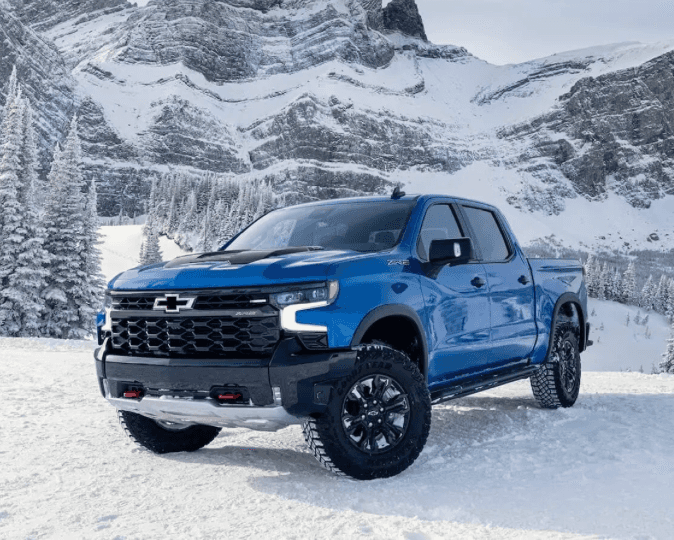 Winter is often the most demanding season for Midwest drivers. Snow-covered roads, icy intersections, freezing rain, and temperatures that drop well below freezing can make everyday driving more challenging. Chevrolet offers several vehicle features that can help drivers prepare for these conditions.
Available All-Wheel Drive and Four-Wheel Drive
Traction becomes especially important when roads are covered with snow or slush. Chevrolet offers available all-wheel drive on select SUVs, including the Equinox and Traverse, giving drivers additional traction when road conditions change.
All-wheel drive can distribute power between the front and rear wheels to help maintain traction. This can be useful when pulling away from a snowy intersection, traveling on slippery neighborhood roads, or navigating a driveway after an overnight snowfall.
For drivers who need a truck or a more rugged SUV, available four-wheel-drive systems on models such as the Chevrolet Silverado 1500 and Tahoe can provide additional capability. Depending on the system and driving conditions, four-wheel drive can help distribute power to the wheels when extra traction is needed.
It is important to remember that all-wheel drive and four-wheel drive do not eliminate the risk of sliding on ice. Tires, road speed, and driving habits remain essential to safe winter travel.
Heated Features for Cold Mornings
Midwest winters make comfort features especially appealing. Available heated front seats, heated steering wheels, and remote start can help make cold-weather driving more comfortable in select Chevrolet models and trims.
Remote start allows drivers to start their vehicle before heading outside, giving the cabin time to warm up. Heated seats and steering wheels can provide warmth without waiting for the entire cabin to reach a comfortable temperature.
These features can be particularly useful for early morning commutes, school drop-offs, and trips to work when the temperature is below freezing.
Winter Visibility and Safety
Snow, road salt, and freezing precipitation can quickly reduce visibility. Chevrolet vehicles offer practical features on select models, including automatic headlights, rear window defoggers, heated outside mirrors, and windshield wiper systems designed to help drivers maintain a clear view of the road.
Depending on the vehicle and trim, additional driver assistance technologies may also be available. Features such as Forward Collision Alert and Automatic Emergency Braking can help alert drivers to certain potential hazards, although their availability and operation vary by model.
Drivers should still clear snow and ice from the entire vehicle before leaving home, including the roof, windows, mirrors, lights, and cameras. No safety system can replace good visibility and attentive driving.
Spring: Handling Rain, Potholes, and Changing Road Conditions
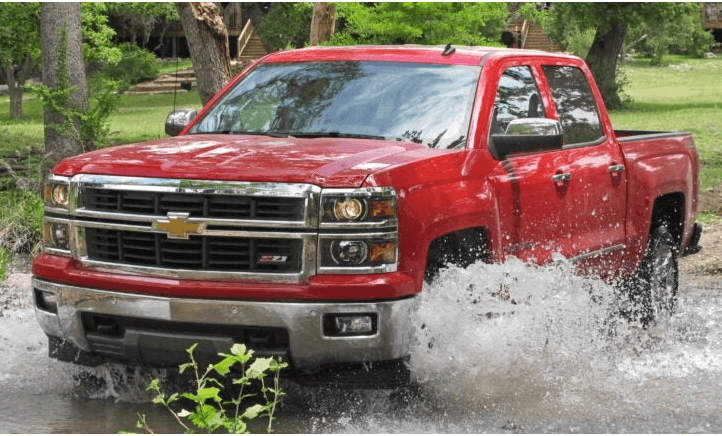 Spring in the Midwest often brings a mix of heavy rain, muddy roads, fluctuating temperatures, and potholes left behind by winter weather. These conditions put a different set of demands on a vehicle.
Traction and Stability in Wet Weather
Rain can make pavement slippery, especially during the first few minutes of a storm when oil and other residue mix with water on the road. Chevrolet vehicles use braking and stability technologies designed to help drivers maintain control when conditions become difficult.
Anti-lock braking systems help prevent the wheels from locking during hard braking, allowing the driver to maintain more steering control. Electronic stability control can help correct certain instances of skidding by adjusting braking and engine power.
These systems are valuable when traveling on wet highways, navigating sharp turns, or responding to unexpected traffic slowdowns.
Suspension and Everyday Road Comfort
Winter freeze-thaw cycles can leave Northern Indiana roads covered with cracks, uneven pavement, and potholes. Chevrolet engineers design vehicles around different combinations of ride comfort, handling, payload, and capability, depending on the model.
For example, the Chevrolet Equinox offers the practicality of a compact SUV for daily driving, while the Traverse provides more passenger and cargo space for larger households. The Silverado lineup serves drivers who need pickup truck capability for work, hauling, or recreational use.
Suspension designs differ across these vehicles because their intended uses are different. A comfortable daily commuter has different priorities from a truck designed to carry heavy loads or tow a trailer.
Drivers can also help protect their vehicles during spring by slowing down for potholes, maintaining correct tire pressure, and scheduling an inspection if they notice unusual vibrations, steering changes, or uneven tire wear.
Cargo Space for Spring Activities
As the weather warms up, spring often means home improvement projects, weekend travel, gardening, and outdoor activities. Chevrolet offers several options for drivers who need flexible cargo space.
The Equinox provides useful storage for groceries, sports equipment, and everyday errands. The larger Traverse offers additional room for passengers and luggage, making it a practical choice for family trips. Silverado pickups provide an open cargo bed for transporting building materials, landscaping supplies, and larger items.
Choosing the right vehicle depends on how much space is needed and how often it will be used. For some drivers, a compact SUV is the best fit. Others may benefit from a three-row SUV or a pickup truck with greater hauling capability.
Summer: Managing Heat, Humidity, and Road Trips
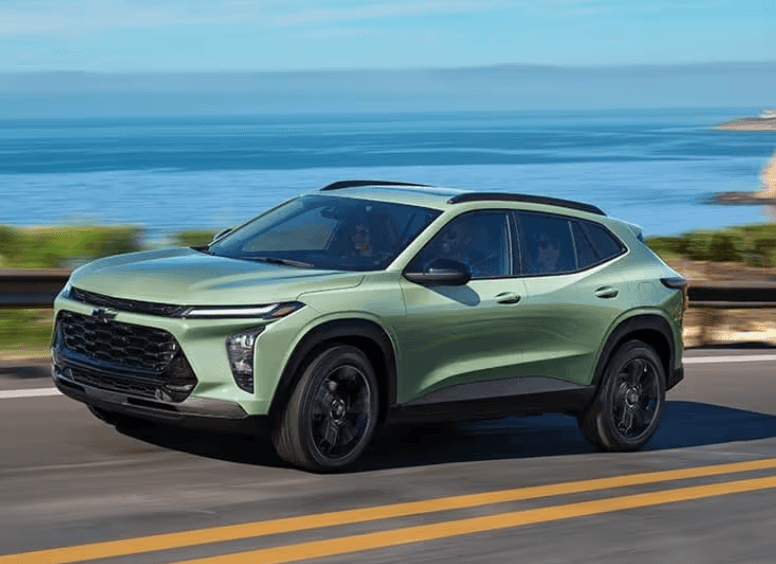
Summer brings longer days, road trips, outdoor events, and plenty of opportunities to explore Indiana and the surrounding states. It also brings high temperatures, sudden thunderstorms, and additional demands on a vehicle’s cooling and air conditioning systems.
Climate Control for Hot Days
When temperatures rise, a reliable air conditioning system becomes an important part of everyday comfort. Chevrolet vehicles offer climate control systems across the lineup, with features varying by model and trim.
Select models offer automatic climate control, which can maintain a selected cabin temperature with less manual adjustment. Some larger SUVs also offer rear climate controls, helping passengers in the second and third rows stay comfortable during longer drives.
For families traveling across Northern Indiana, these features can make a noticeable difference during summer road trips, especially when the vehicle is carrying several passengers.
Drivers should also pay attention to air conditioning performance. If the cabin takes unusually long to cool, the airflow becomes weak, or unfamiliar odors appear, a service inspection may help identify the problem before the hottest days arrive.
Cooling Systems and Engine Performance
High temperatures can place additional stress on a vehicle’s engine cooling system. Chevrolet engineers develop cooling systems according to the requirements of each engine and vehicle, helping manage operating temperatures under expected driving conditions.
For truck owners, cooling and powertrain performance are particularly important when towing or carrying heavy loads. Certain Silverado configurations offer substantial towing capability, but the actual capacity depends on the engine, cab, drivetrain, axle ratio, equipment, and other configuration details.
Drivers planning to tow a camper, boat, or utility trailer during the summer should check the specific vehicle’s towing limits and follow the manufacturer’s recommendations. Maintaining proper coolant levels, monitoring temperature warnings, and keeping up with scheduled maintenance can help prevent avoidable problems.
Summer Road Trips and Driver Assistance Technology
Summer is a popular time to travel to lakes, state parks, sporting events, and vacation destinations throughout the Midwest. Chevrolet vehicles offer features that can make longer trips more convenient.
Depending on the model and trim, available technology may include adaptive cruise control, lane-keeping assistance, and built-in navigation or smartphone integration. These features can help reduce some of the work involved in long highway drives.
The Chevrolet Traverse and Tahoe offer room for passengers and luggage, while the Equinox can suit drivers who prefer a smaller SUV for everyday use and weekend travel. Silverado models provide another option for people who regularly bring along outdoor equipment or tow recreational vehicles.
Technology availability varies across the Chevrolet lineup, so drivers should compare specific model years and trims before making a decision.
Fall: Preparing for Rain, Fog, and the First Cold Snap
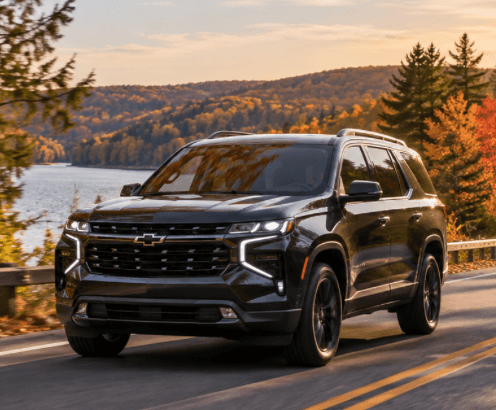 Fall in Indiana can bring beautiful scenery, but it also introduces changing temperatures, shorter daylight hours, wet leaves, and unpredictable weather. It is also an ideal time to prepare a vehicle for the upcoming winter.
Visibility as Daylight Hours Decrease
With sunset arriving earlier, drivers spend more time commuting in low-light conditions. Chevrolet vehicles offer lighting and visibility features designed to support everyday driving, including headlights, available automatic lighting controls, and rear window defoggers on applicable models.
Certain Chevrolet models and trims also offer advanced lighting features that can improve illumination in specific driving situations.
Drivers should inspect their headlights, taillights, turn signals, and windshield wipers before fall weather becomes severe. Replacing worn wiper blades can improve visibility during rain, while keeping the windshield clean helps reduce glare from oncoming headlights.
Fog can also become more common during cool fall mornings. Using the appropriate fog-lighting equipment when available, slowing down, and increasing following distance can help drivers respond to reduced visibility.
Tire Preparation for Changing Temperatures
Tire pressure naturally decreases as temperatures fall. A tire that was properly inflated during a warm summer afternoon may need attention when cooler weather arrives.
Chevrolet vehicles equipped with a Tire Pressure Monitoring System can alert drivers when tire pressure is significantly low. The system is a useful reminder, but drivers should still check tire pressure manually and inflate tires to the pressure listed on the vehicle’s information label.
Fall is also a good time to evaluate whether current tires are appropriate for the coming winter. Drivers who frequently encounter snow, rural roads, or unplowed streets may want to consider dedicated winter tires.
The right tires can improve traction and braking performance in cold conditions. Even a capable all-wheel-drive Chevrolet benefits from tires suited to the road surface and temperature.
Fall Maintenance Before Winter Arrives
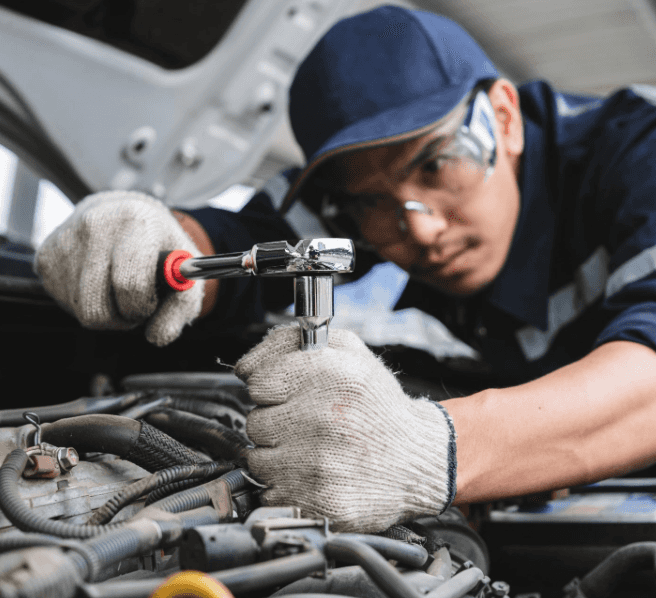 Taking care of routine maintenance in the fall can help reduce the chance of an inconvenient breakdown during freezing weather.
Before winter arrives, drivers should consider checking the battery, engine coolant, brakes, tires, windshield washer fluid, and wiper blades. Battery performance can decline in cold weather, making an aging battery more likely to cause starting problems during the first deep freeze.
It is also worth checking the heating and defrosting systems before they are needed every day. If the cabin takes too long to warm up or the windows do not clear properly, scheduling service before winter can help address the issue early.
A fall maintenance appointment at a Chevrolet service department can help identify items that need attention and prepare the vehicle for the months ahead.
These technologies can be useful throughout the year, whether traffic is slowing on a rain-soaked highway or visibility is reduced during a winter commute. However, not every feature is available on every Chevrolet, and system limitations depend on conditions and equipment.
Drivers should review their owner’s manual to understand how their vehicle’s safety features operate and when they may not function as expected.

0 comment(s) so far on How Chevrolet Designs Vehicles for Four Seasons of Midwest Weather