


Chevrolet Features That Were Ahead of Their Time
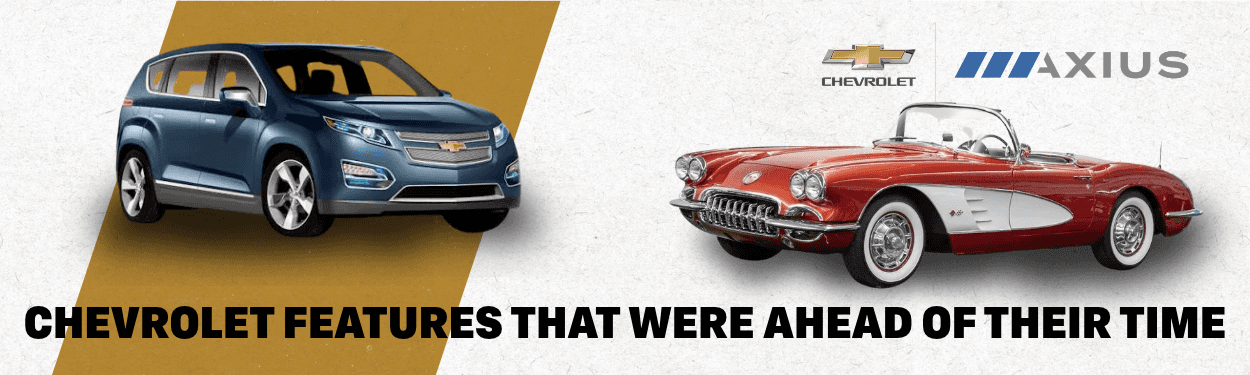
Chevrolet has spent more than a century finding new ways to make driving more capable, comfortable, and exciting. From early automotive engineering breakthroughs to advanced driver assistance systems and electric vehicle technology, Chevy has introduced features that helped shape what drivers expect from modern vehicles.
Some of these innovations became everyday features across the automotive industry. Others changed the way drivers thought about performance, safety, and convenience. Looking back at Chevrolet’s history reveals a pattern of engineering ideas that often arrived before drivers knew how much they would come to appreciate them.
Here are some of the Chevrolet innovations that were ahead of their time and how they continue to influence the vehicles we drive today.
1. Chevrolet Small-Block V8: Big Performance in a Compact Package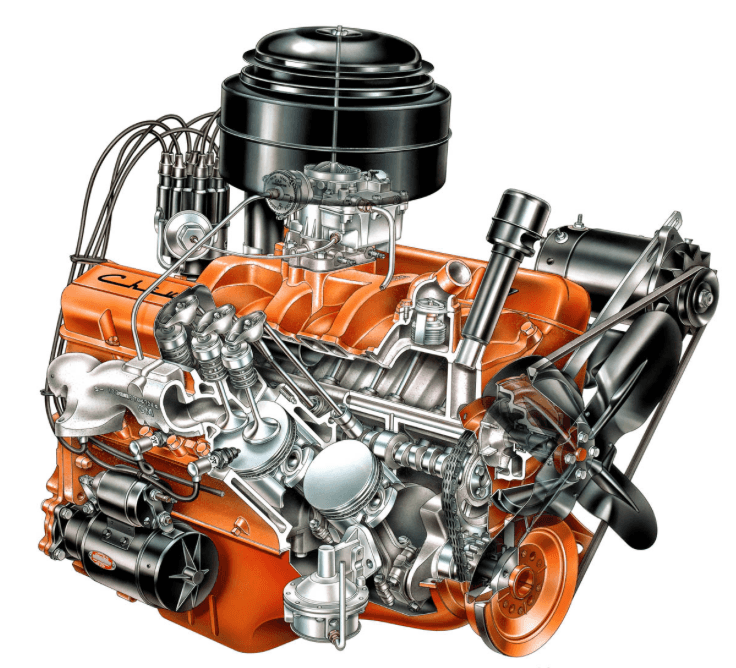
When Chevrolet introduced its original small-block V8 engine in 1955, it changed the conversation around American performance cars. The 265-cubic-inch V8 delivered impressive power in a relatively compact and lightweight design, making it suitable for a wide range of vehicles.
The engine’s efficient packaging and adaptable architecture helped Chevrolet offer strong performance without requiring an enormous, heavy powerplant. It quickly became a favorite among enthusiasts, racers, and drivers looking for more power under the hood.
The small-block V8 went on to power generations of Chevrolet cars and trucks, including the Corvette, Camaro, and Silverado. Its long development history also helped establish Chevrolet as a major name in performance engineering.
Modern V8 engines use far more advanced technology, including sophisticated fuel injection, electronic engine management, and improved emissions controls. However, the original small-block’s basic philosophy remains relevant: build an engine that delivers useful power in a practical package.
2. The Chevrolet Corvette: Bringing Sports Car Performance to More Drivers
Introduced in 1953, the Chevrolet Corvette gave American drivers a domestic sports car with distinctive styling and an emphasis on driving excitement. Its early fiberglass body was particularly notable because fiberglass offered a lightweight alternative to traditional steel body construction.
The first Corvette was an experiment in what an American sports car could be. Chevrolet continued developing the formula through more powerful engines, improved suspension designs, and increasingly sophisticated chassis engineering.
The 1963 Corvette Sting Ray introduced an independent rear suspension, a major improvement that helped the car deliver more controlled handling over uneven pavement and through corners. Independent rear suspension would eventually become a common feature in performance cars because of its advantages in ride quality and wheel control.
Chevrolet continued pushing the Corvette forward with developments such as advanced aerodynamic design, electronic driver aids, and the mid-engine layout introduced for the eighth-generation Corvette in 2020. Moving the engine behind the driver helped create a different balance of weight, traction, and handling capability.
The Corvette demonstrates how Chevrolet has repeatedly challenged traditional sports car design while keeping performance at the center of its engineering decisions.
3. OnStar: Connected Vehicle Technology Before Smartphones Took Over
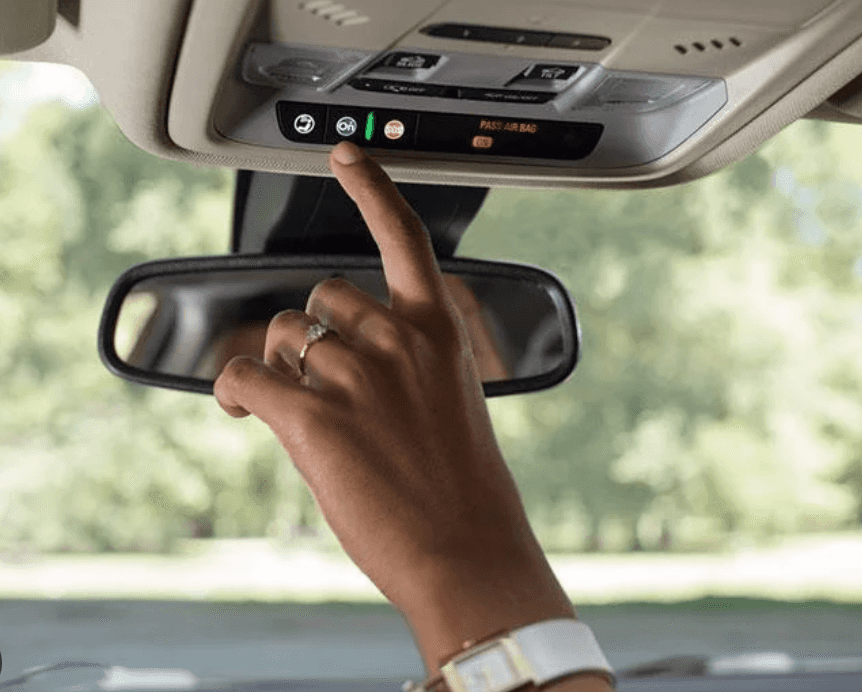
Today, drivers expect their vehicles to offer connectivity, emergency assistance, navigation, and remote access. Chevrolet helped establish the foundation for these services when General Motors introduced OnStar in 1996.
OnStar brought cellular communication and GPS technology into vehicles, creating a way for drivers to connect with an assistance center from the road. Depending on the vehicle and service package, features included automatic crash response, emergency assistance, navigation support, and roadside assistance.
At the time, built-in vehicle connectivity was far less common than it is today. Drivers generally relied on paper maps, separate navigation devices, and mobile phones that offered fewer capabilities than modern smartphones.
OnStar helped demonstrate that technology inside a vehicle could do more than entertain or inform the driver. It could also provide another layer of assistance when unexpected situations occurred.
Connected vehicle technology has continued to evolve. Modern Chevrolet models may offer features such as remote vehicle commands, vehicle diagnostics, connected navigation, and available Wi-Fi services, depending on the model, equipment, and subscription. The MyChevrolet mobile app also allows owners of compatible vehicles to access select functions from their phones.
The idea behind OnStar remains important: useful automotive technology should help drivers stay connected and make everyday ownership easier.
4. Magnetic Ride Control: Suspension Technology That Adapts to the Road
A comfortable ride and sharp handling can be difficult to achieve at the same time. Traditional suspension systems often require engineers to make compromises between soft, comfortable settings and firmer settings designed for aggressive driving.
Chevrolet helped bring a different approach to production performance vehicles with Magnetic Ride Control, a suspension technology introduced on the 2003 Cadillac Seville and later used on Chevrolet models, including the Corvette.
Instead of relying solely on conventional mechanical adjustments, Magnetic Ride Control uses magnetorheological fluid inside its shock absorbers. A magnetic field changes the fluid’s resistance, allowing the system to adjust damping rapidly as driving conditions change.
Sensors monitor vehicle movement and road conditions, helping the suspension respond to bumps, body movement, and cornering forces. The result can be a more controlled ride without sacrificing everyday comfort.
This technology has been especially valuable in performance vehicles, where drivers may want a composed ride during normal commuting and tighter body control during spirited driving. Its use across generations of the Corvette shows how Chevrolet has continued refining the relationship between handling and comfort.
Adaptive suspension technology is now an important part of many performance vehicles. Magnetic Ride Control helped demonstrate how electronic systems could make a vehicle’s suspension respond to changing conditions rather than rely on one fixed setup.
5. Rear-Vision Cameras: Making Reversing Safer and Easier
Backing out of a driveway or parking space can create blind spots that are difficult to eliminate with mirrors alone. Chevrolet was among the automakers that helped bring rear-camera technology into the mainstream.
The 2002 Cadillac Escalade EXT and the 2003 Cadillac Escalade were among the early General Motors vehicles to offer rear-vision camera systems. Chevrolet later expanded rear-camera availability across its lineup as the technology became more practical and affordable.
A rear-vision camera provides a view of the area behind a vehicle on an interior display, helping drivers identify obstacles that might otherwise remain hidden. Depending on the system, guidelines can also help drivers judge their direction while reversing.
The technology became so important to vehicle safety that the United States required rear visibility technology, including rearview cameras, on new light vehicles under 10,000 pounds manufactured from May 1, 2018, onward.
Today’s Chevrolet vehicles may offer additional technologies, such as rear cross-traffic alert, parking sensors, HD Surround Vision, and other camera-based assistance features. Availability varies by model and trim.
Rear cameras are a strong example of an innovation that went from a premium convenience to an everyday safety tool. What once felt futuristic is now a familiar part of driving.
6. Chevrolet Volt: An Early Step Toward Electrified Driving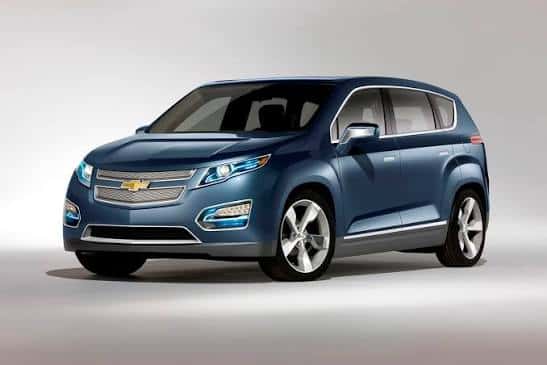
Long before electric vehicles became a regular sight on American roads, Chevrolet was exploring ways to reduce gasoline use without making drivers depend entirely on charging infrastructure.
The Chevrolet Volt arrived for the 2011 model year with an extended-range electric vehicle system. Its battery powered an electric drive motor for everyday trips within its available electric range. When the battery’s usable charge was depleted, a gasoline engine-generator system supplied electricity to keep the vehicle moving.
This approach addressed a major concern for drivers considering electrification: the possibility of running out of battery power far from a charging station.
The Volt was not a conventional hybrid in the same sense as many gasoline-electric vehicles. Its design prioritized electric driving, with gasoline serving as a way to extend its overall driving capability.
The Volt helped demonstrate that electric propulsion could work for daily commuting while still accommodating longer trips. It also gave Chevrolet experience with battery management, electric motors, power electronics, and the practical challenges of bringing electrified vehicles to everyday customers.
Chevrolet later expanded its electric vehicle lineup with models such as the Bolt EV and Bolt EUV, followed by vehicles built around newer electric platforms, including the Equinox EV and Blazer EV.
The Volt’s importance lies in how it helped bridge the gap between traditional gasoline vehicles and a future with more electric driving options.
7. Super Cruise: Hands-Free Driving on Compatible Roads
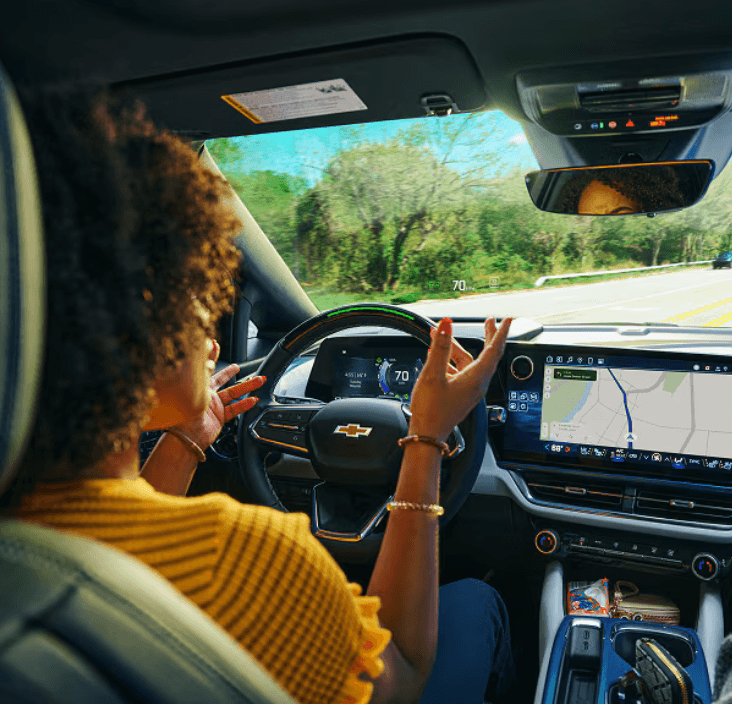 Modern driver assistance systems have changed the way drivers think about long highway trips. Chevrolet’s available Super Cruise technology builds on years of progress in adaptive cruise control, lane-centering assistance, and vehicle positioning.
Introduced by General Motors in 2017, Super Cruise was among the early systems to offer hands-free driving on compatible roads while using driver attention monitoring. The system uses technologies such as precision mapping, cameras, sensors, and GPS to help the vehicle maintain its position and manage speed under supported conditions.
Unlike systems that simply control speed, Super Cruise can handle steering assistance as well on compatible mapped roads. A driver attention system monitors whether the driver is watching the road, helping ensure that hands-free operation does not mean attention-free driving.
Super Cruise has expanded to additional General Motors vehicles over time, including select Chevrolet models and configurations. Its capabilities and availability depend on the specific vehicle, equipment, road coverage, and service requirements.
It is important to understand that Super Cruise is a driver assistance system, not a fully autonomous driving system. Drivers must remain attentive and ready to take control when needed.
The technology illustrates how Chevrolet and General Motors have continued developing systems intended to reduce some of the demands of driving while keeping the driver responsible for the vehicle.

0 comment(s) so far on Chevrolet Features That Were Ahead of Their Time