


Chevrolet 100,000 Mile Service: Maintenance Reminders to Keep Your Vehicle Going Strong
Reaching 100,000 miles in your Chevrolet is a milestone worth celebrating. Whether you drive a Silverado, Equinox, Traverse, Tahoe, Trax, Malibu, Corvette, or another Chevrolet model, hitting six figures on the odometer means your vehicle has already handled plenty of commutes, road trips, errands, and everyday miles.
It also means maintenance becomes more important than ever.
A Chevrolet with 100,000 miles does not automatically need a major repair, and reaching this mileage does not mean it is nearing the end of its life. With consistent maintenance and timely inspections, many vehicles continue serving their owners for years and many more miles. The key is paying attention to the services that may be due around this point and catching normal wear before it develops into a more expensive problem.
If your Chevrolet is approaching or has recently passed 100,000 miles, here are some important service reminders to keep in mind.
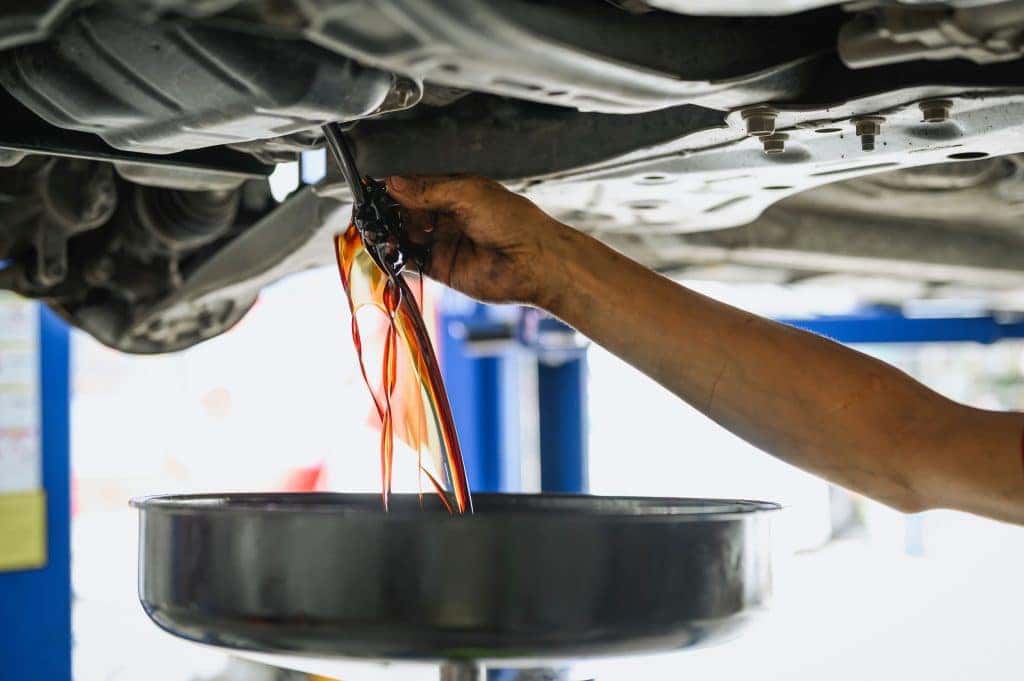
1. Stay Consistent With Oil Changes and Oil Filter Replacements
Regular oil changes remain one of the most important parts of Chevrolet maintenance, regardless of mileage. At 100,000 miles, your engine has already experienced years of heat, cold starts, highway driving, stop-and-go traffic, and countless revolutions.
Clean engine oil helps lubricate moving components and supports proper engine operation. Over time, oil breaks down and collects contaminants, which is why following your vehicle’s recommended oil change interval remains essential.
Many newer Chevrolet vehicles are equipped with an Oil Life System that monitors driving conditions and helps determine when an oil change is needed. Owners should follow the vehicle’s maintenance reminders and Owner’s Manual rather than relying solely on a universal mileage number.
When bringing your Chevrolet in for an oil change, it is also a good opportunity to have other important areas inspected. A routine service visit can help identify leaks, fluid concerns, worn components, and other issues before they become more serious.
2. Check Whether Your Spark Plugs Are Due for Replacement
Around the 100,000-mile mark, spark plugs should be high on your maintenance checklist for many gasoline-powered Chevrolet vehicles.
Spark plugs play an important role in the combustion process. When they begin to wear, drivers may notice rough idling, reduced performance, poor fuel economy, difficult starts, or engine misfires. Some modern spark plugs are designed to last a long time, which is why replacement intervals can extend toward 100,000 miles or beyond.
However, there is no single replacement schedule that applies to every Chevrolet. The correct interval depends on your specific vehicle and engine.
If your Chevrolet is approaching 100,000 miles and the spark plugs have never been replaced, ask a service advisor to review your maintenance history and manufacturer-recommended schedule. Replacing worn spark plugs at the appropriate time can help support smooth engine performance and prevent drivers from putting off a service that may already be due.
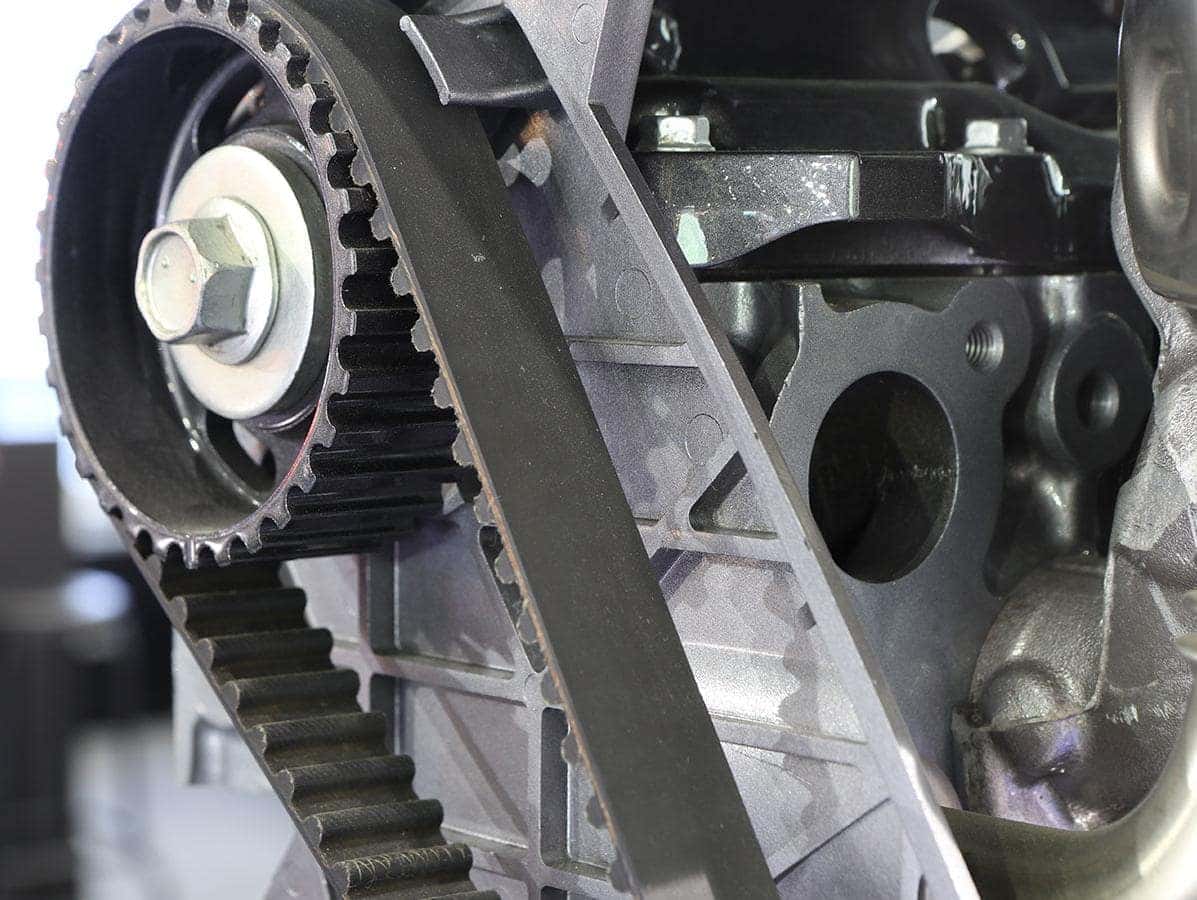
3. Inspect the Timing Belt, If Your Chevrolet Has One
Not every Chevrolet has a timing belt. Some engines use a timing chain instead, so this is an important distinction to make before scheduling service.
For vehicles equipped with a timing belt, the service interval can be especially important around the 100,000-mile range. The timing system plays a major role in keeping internal engine components operating in proper synchronization. A worn or damaged timing belt can lead to serious engine problems.
This is not a maintenance item to guess about. Chevrolet owners should check their specific Owner’s Manual or ask a trained service professional whether their vehicle has a timing belt and when replacement is recommended.
If your Chevrolet uses a timing chain, regular inspections and proper engine maintenance are still important. Engine oil quality and regular oil changes can be particularly significant because the timing system depends on proper lubrication.
4. Have the Transmission and Drivetrain Inspected
By 100,000 miles, your Chevrolet’s transmission and drivetrain have handled a significant amount of work. Depending on your vehicle, previous maintenance, and driving habits, this may be a good time to review the condition and service history of the transmission.
Transmission service recommendations vary between Chevrolet models. Some vehicles may require a fluid change or other service at specific intervals, while others have different maintenance requirements. Heavy towing, frequent stop-and-go driving, extreme temperatures, and demanding driving conditions can also affect maintenance needs.
Do not assume that every transmission should receive the same service at 100,000 miles. Instead, have a Chevrolet service professional review the manufacturer’s recommendations for your specific model.
The same approach applies to other drivetrain components. If you drive a rear-wheel-drive or four-wheel-drive Chevrolet, the differential should be inspected as your vehicle approaches 100,000 miles. A service professional may recommend checking or replacing differential fluid based on the vehicle and its maintenance schedule.
Four-wheel-drive and all-wheel-drive models may also have additional components, such as a transfer case, that require attention. Keeping up with the recommended service schedule can help protect these systems for the miles ahead.
5. Do Not Overlook Your Brakes
Braking components do not follow a single replacement schedule. Brake pad and rotor life can vary widely depending on how and where you drive.
City driving, heavy traffic, towing, frequent hard braking, and hilly roads can cause brake components to wear more quickly. By 100,000 miles, your Chevrolet may have already received one or more brake services, or it may be approaching another inspection or replacement.
Regular brake inspections can check the condition of the pads, rotors, brake lines, and other important components. Drivers should also pay attention to warning signs between service visits.
Schedule a brake inspection if you notice:
- Squealing or grinding noises when braking
- A vibration or pulsation through the brake pedal
- Increased stopping distance
- A brake pedal that feels unusually soft or different
- A vehicle that pulls to one side while braking
- A brake warning light
Do not wait for your next oil change if you experience a braking concern. Prompt attention can help identify the problem and keep your Chevrolet safe to drive.

6. Check Your Cooling System
Your engine cooling system has been working hard for 100,000 miles. Coolant helps manage engine temperature and protect the cooling system, but it does not last forever.
The proper coolant service interval varies by Chevrolet model, so check your Owner’s Manual for the schedule that applies to your vehicle. A service visit may include inspecting the condition of the coolant, hoses, clamps, radiator, and other components.
Hoses and cooling system components can deteriorate over time due to heat and age. A small leak may not seem urgent at first, but losing coolant can eventually lead to overheating and much more significant engine damage.
If you notice a sweet smell, visible fluid under your vehicle, rising engine temperature, or a low coolant warning, have your Chevrolet inspected as soon as possible.
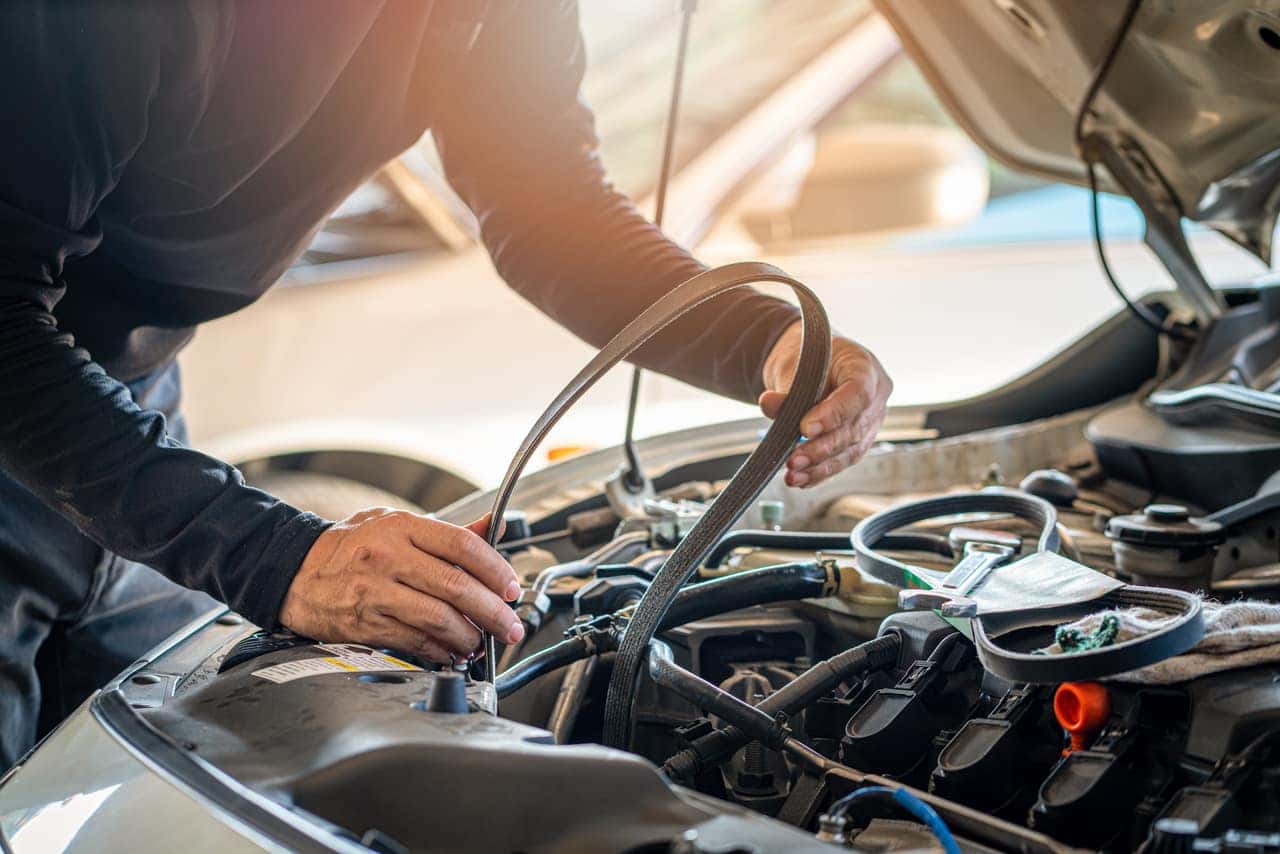
7. Inspect Belts and Hoses for Age and Wear
Mileage is only one factor in vehicle maintenance. Age matters too.
A Chevrolet that reaches 100,000 miles after five years may have different wear concerns than one that reaches the same mileage after 12 years. Rubber components, including belts and hoses, can deteriorate over time.
A service inspection can identify cracks, leaks, fraying, looseness, or other signs that a component may need attention. Replacing a worn belt or hose before it fails can help you avoid an unexpected breakdown.
This is especially important if you plan to keep your Chevrolet for several more years. At 100,000 miles, preventive maintenance becomes an investment in the vehicle’s next chapter.
Your current tires may not be the original set, but that does not mean tire maintenance becomes less important after 100,000 miles.
Continue checking tire pressure regularly and follow the recommended tire rotation schedule for your vehicle. Have the tread and overall tire condition inspected during service visits.
Suspension components also deserve attention as mileage increases. Shocks and struts can gradually lose effectiveness, which means the change in ride quality may be difficult to notice until the vehicle is inspected or new components are installed.
Signs that may indicate suspension concerns include:
- Excessive bouncing after hitting a bump
- A rougher or less controlled ride
- Uneven tire wear
- Vehicle instability
- Unusual noises over bumps
- Fluid leaking from shocks or struts
An inspection can help determine whether these components are still performing properly.
Why 100,000 Miles Is a Great Time to Review Your Chevrolet’s Maintenance History
If you have owned your Chevrolet since it was new, the 100,000-mile milestone is an excellent time to review your service records. Look at what has already been completed and compare it with your vehicle’s recommended maintenance schedule.
If you purchased your Chevrolet pre-owned, reviewing its service history can be even more important. You may not know whether the spark plugs, transmission fluid, differential fluid, or other components have previously been serviced.
A Chevrolet service department can help review your vehicle and identify maintenance items that may be due based on its mileage, age, model, and condition.
Keep Your Chevrolet Going Beyond 100,000 Miles
The biggest takeaway is simple: 100,000 miles is not an ending point.
It is a maintenance milestone.
Your Chevrolet has already proven it can handle the miles. The goal now is to continue giving it the care it needs for the road ahead. Staying current with oil changes, inspections, fluids, filters, brakes, tires, spark plugs, and other manufacturer-recommended maintenance can help protect your investment and reduce the risk of unexpected problems.
Because maintenance requirements vary by Chevrolet model, always consult your Owner’s Manual for the exact schedule that applies to your vehicle. A professional service team can also help you create a maintenance plan based on your Chevrolet’s mileage and service history.
If your Chevrolet is approaching 100,000 miles, now is the perfect time to schedule a service visit and take a closer look at what your vehicle may need. A little preventive maintenance today can help you enjoy many more miles tomorrow.

0 comment(s) so far on Chevrolet 100,000 Mile Service: Maintenance Reminders to Keep Your Vehicle Going Strong